
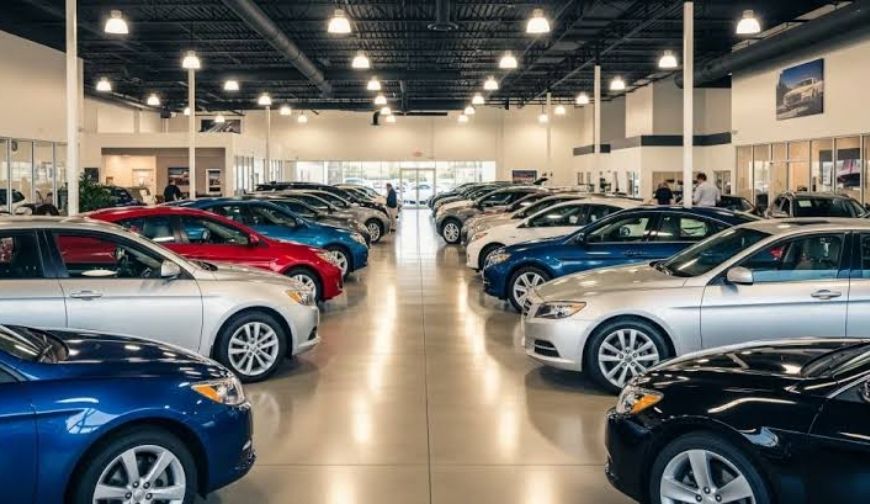
The used vehicle market in 2026 continues to present both opportunities and challenges for independent dealers.
Affordability remains a major concern for consumers, while inventory levels have improved from some of the tighter periods earlier in the year. At the same time, lower-priced used vehicles remain difficult to find, and pricing continues to vary significantly by vehicle age and segment.
For independent dealers, understanding these trends can help with inventory purchasing, pricing, reconditioning, marketing, and vehicle turnover.
1. Used Vehicle Inventory Is Improving, but Supply Remains Tight
Used inventory has increased modestly during 2026, but supply remains below historical levels.
Cox Automotive reported approximately 2.15 million used vehicles on dealer lots in July 2026, with 46 days of supply. Inventory was slightly higher than a year earlier but remained well below July 2022 levels.
For independent dealers, this means inventory sourcing remains important.
Dealers should continue monitoring local supply rather than assuming that national inventory trends automatically apply to their market.
2. Used Car Prices Remain Elevated
Average used-vehicle listing prices have remained above $27,000 during the summer of 2026.
Cox Automotive reported an average listing price of $27,028 in July, up about 6% from the previous year. Prices have also remained relatively stable compared with the previous month.
For dealers, higher prices create an important balancing act.
Inventory needs to be priced competitively while still protecting gross profit.
3. Affordable Used Cars Are Especially Difficult to Find
One of the biggest trends independent dealers should watch is the shortage of affordable inventory.
Vehicles priced below $15,000 had only 32.2 days of supply in July, compared with 46 days for the overall used market. The supply of vehicles in this price range was down 20% year over year.
This is particularly important for independent dealerships that serve budget-conscious shoppers.
Affordable inventory can attract strong demand, but dealers may also face higher acquisition costs and more competition for these vehicles.
4. Older Vehicles Are Seeing Strong Price Gains
Older used vehicles have experienced particularly strong price increases.
In July, listing prices for vehicles 15 years and older increased 13.9% year over year, compared with a 3% increase for vehicles less than five years old.
This suggests that older vehicles remain valuable to consumers looking for lower-cost transportation.
However, dealers should carefully evaluate condition and reconditioning costs before buying older inventory.
5. Affordability Is Driving Consumer Behavior
Affordability continues to influence how consumers shop for vehicles.
Higher new-vehicle prices and household budget pressures can push more shoppers toward used vehicles. NIADA’s 2026 market review noted that affordability challenges continue to support demand for lower-priced used inventory.
Independent dealers can respond by maintaining a mix of vehicles across different price points rather than concentrating exclusively on higher-priced inventory.
6. Used Vehicle Demand Remains Resilient
Used-vehicle sales have shown some moderation, but demand remains relatively resilient.
Cox Automotive estimated July 2026 retail used-vehicle sales at approximately 1.44 million units, with sales up 0.6% from June despite the normal seasonal pattern of a modest monthly decline.
For dealers, this suggests that properly priced and well-presented vehicles can continue to attract buyers even in a more price-sensitive market.
7. Wholesale Values Have Stabilized
Wholesale pricing has also shown signs of normalization.
The Manheim Used Vehicle Value Index reached 212.9 in June 2026, up 2.1% from a year earlier and essentially flat compared with May. Values were approximately 1% below the March peak.
For independent dealers, this creates an opportunity to become more disciplined with acquisition decisions.
Rather than chasing vehicles at auction, buyers should calculate total acquisition cost and expected retail margin before bidding.
8. Off-Lease Supply Could Affect Certain Segments
More off-lease vehicles are expected to enter the used market during the second half of 2026.
This could increase supply in particular vehicle segments and potentially put pressure on prices.
NIADA’s review specifically highlighted an expected increase in off-lease supply, including electric vehicles, as a trend dealers should monitor.
Dealers should watch wholesale pricing and auction activity rather than assuming every segment will move in the same direction.
9. Used EVs Are Becoming More Important
Electric vehicles are gaining a larger role in the used market.
In July 2026, used EV sales were estimated at approximately 36,910 units, up 10.1% year over year. Used EV inventory also increased, with 46 days of supply.
Used EV listing prices averaged approximately $37,832 in July, up 8.3% year over year despite a modest monthly decline.
Independent dealers considering EV inventory should evaluate battery condition, charging availability, warranty coverage, market demand, and expected resale value.
10. Pricing Needs More Frequent Attention
In a changing market, pricing a vehicle once and leaving it unchanged can become expensive.
Dealers should regularly compare:
- Local competitors
- Vehicle mileage
- Trim level
- Vehicle condition
- Days in inventory
- Market pricing
- Customer inquiries
- Recent sales
If a vehicle receives little attention, management should determine whether the issue is pricing, presentation, vehicle selection, or demand.
11. Inventory Aging Remains Important
A vehicle that sits for too long ties up capital.
Dealers should divide inventory into aging categories such as:
0–30 days
31–60 days
61–90 days
90+ days
Management can then establish specific actions for older vehicles.
Those actions might include:
- Price adjustment
- Additional advertising
- Improved photography
- Reconditioning review
- Wholesale evaluation
- Dealer-to-dealer sale
12. Trade-Ins Can Become an Important Inventory Source
When wholesale inventory is expensive, dealers should not overlook customer trade-ins.
Trade-ins can provide access to vehicles that may fit the dealership’s local market particularly well.
Dealers should evaluate:
- Trade-in condition
- Market demand
- Acquisition cost
- Reconditioning requirements
- Expected retail value
A strong appraisal process can turn customer traffic into a valuable inventory acquisition channel.
13. Reconditioning Costs Matter More Than Ever
Higher acquisition prices make cost control increasingly important.
Before purchasing a vehicle, dealers should estimate:
Purchase Price + Fees + Transportation + Reconditioning = Total Acquisition Cost
Then compare the result with the expected retail price.
A vehicle that looks inexpensive at auction may not be profitable after repairs and transportation.
14. Budget Inventory Deserves Special Attention
The shortage of lower-priced vehicles creates an interesting opportunity for independent dealers.
Vehicles under $15,000 represent a relatively small portion of available inventory, while their supply remains considerably tighter than the overall market.
Dealers that can source reliable, affordable vehicles may be able to attract customers who are increasingly priced out of newer vehicles.
However, condition and repair costs should remain central to the buying decision.
15. Market Data Should Influence Your Buy Box
Dealers should update their inventory buy box based on actual market performance.
The buy box can define:
- Preferred model years
- Mileage limits
- Price ranges
- Vehicle types
- Brands
- Expected retail value
- Maximum acquisition cost
- Reconditioning limits
If certain vehicles consistently sell quickly and produce acceptable margins, dealers can increase their focus on those segments.
16. Local Market Data Matters
National trends are useful, but an independent dealer ultimately sells vehicles in a specific market.
A vehicle that is popular nationally may not perform well locally.
Review your own:
- Sales history
- Days to sale
- Gross profit
- Lead volume
- Customer inquiries
- Inventory aging
- Reconditioning expenses
Your dealership’s data can be more useful than a national average when making individual purchasing decisions.
Common Mistakes Dealers Should Avoid
Buying Based Only on National Trends
Local demand can be very different from national demand.
Ignoring Affordable Inventory
Budget vehicles remain difficult to source and can attract strong consumer interest.
Holding Aging Inventory Too Long
The longer a vehicle sits, the more capital remains tied up.
Overpaying at Auction
Strong demand does not mean every vehicle deserves a high bid.
Ignoring Reconditioning Costs
The purchase price is only one part of the vehicle’s total cost.
Pricing Without Monitoring Competitors
Market conditions can change quickly.
Used Car Market Checklist for Independent Dealers
☐ Review local inventory levels
☐ Monitor wholesale pricing
☐ Track average days to sale
☐ Monitor vehicles under $15,000
☐ Review pricing weekly
☐ Track inventory aging
☐ Update the buy box regularly
☐ Monitor reconditioning costs
☐ Compare inventory sources
☐ Track local customer demand
☐ Evaluate EV opportunities
☐ Review trade-in acquisition opportunities
☐ Measure gross profit by vehicle
☐ Adjust purchasing based on dealership data
Final Thoughts
The 2026 used car market is creating a complicated environment for independent dealers.
Inventory has improved from earlier shortages, but overall supply remains relatively tight. Average prices remain elevated, while affordable vehicles are particularly scarce. At the same time, wholesale values have stabilized and additional off-lease inventory could change the supply picture in specific segments.
For independent dealers, the best response is not simply to buy more vehicles.
It is to buy smarter.
Dealers should focus on local demand, monitor acquisition costs, maintain affordable inventory where possible, control reconditioning expenses, price vehicles frequently, and use their own sales data to determine which inventory deserves more investment.
The dealerships that adapt their buying and pricing strategies as market conditions change will be better positioned to protect margins and keep inventory moving.
Frequently Asked Questions
What is the biggest used car market trend in 2026?
Affordability is one of the most important trends. Lower-priced used vehicles remain in short supply, while consumers continue to look for alternatives to higher-priced new vehicles.
Are used car prices going up in 2026?
Used vehicle listing prices remain higher than a year ago. In July 2026, the average listing price was about $27,028, approximately 6% higher year over year.
Are vehicles under $15,000 still available?
Yes, but supply is limited. Vehicles under $15,000 had only 32.2 days of supply in July 2026 and represented 16.4% of total used-vehicle inventory.
Should independent dealers buy more older vehicles?
Older vehicles can offer opportunities because demand for affordable transportation remains strong. However, dealers should carefully calculate mechanical condition, reconditioning costs, market value, and expected margin.
Are used EVs becoming a bigger opportunity?
Used EV sales increased 10.1% year over year in July 2026, and more off-lease EV inventory is expected to enter the market. Dealers should evaluate EV opportunities based on their local customer base and expected ownership economics.
How can independent dealers respond to changing market conditions?
Dealers should monitor local pricing, wholesale values, inventory aging, days to sale, reconditioning costs, and customer demand. These metrics can help determine when to buy, price, hold, or wholesale a vehicle.